Odvex.Admin
Welcome to Odvex, your trusted source for honest product reviews and buying guides.
DJI RS 4 Pro Review: Is This the Final Gimbal You’ll Ever Need?
1. Introduction: Stabilizing the Beast
Filmmakers face a constant trade-off: better image quality usually means heavier cameras. And heavier cameras mean shaky footage. For years, the DJI Ronin series has been the industry standard for smoothing out handheld shots, but balancing a full cinema rig on a single-handed gimbal was often a frustrating, arm-breaking experience.
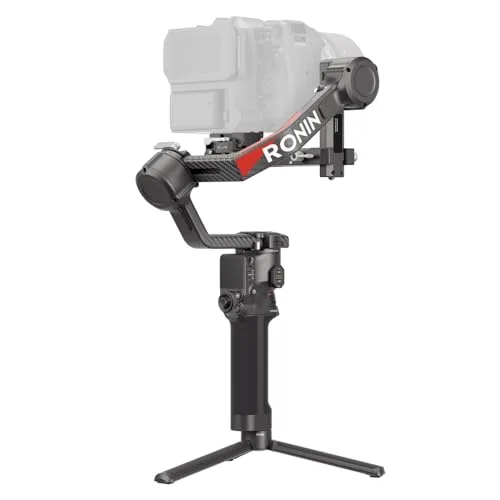
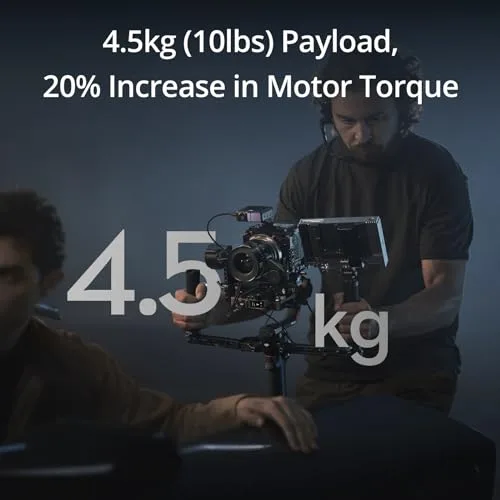
The DJI RS 4 Pro arrives with a clear mission: handle the heaviest payloads with zero compromise. With a massive 10lb (4.5kg) capacity and carbon fiber arms, it is built to fly cameras like the RED Komodo, Canon C70, or a fully rigged Sony FX6 without breaking a sweat.
But raw power isn’t everything. The RS 4 Pro introduces a new generation of LiDAR autofocus and vertical shooting integration that promises to automate the hardest parts of solo operating. In this review, we test if this flagship stabilizer is actually a practical tool for the solo shooter or overkill for the average creator.
2. Key Features Explained Simply
The RS 4 Pro is dense with technology. Here is how the headline features translate to your daily production workflow.
4.5kg (10lbs) Payload & Carbon Fiber Build
The Benefit: Most gimbals struggle when you add a heavy cine lens or a matte box. The RS 4 Pro’s motors have 20% more torque than the previous generation. This means it doesn’t just “hold” the camera; it actively stabilizes it even during high-wind car mount shots or aggressive running. The carbon fiber arms keep the gimbal itself lighter, saving your arm strength for the shoot.
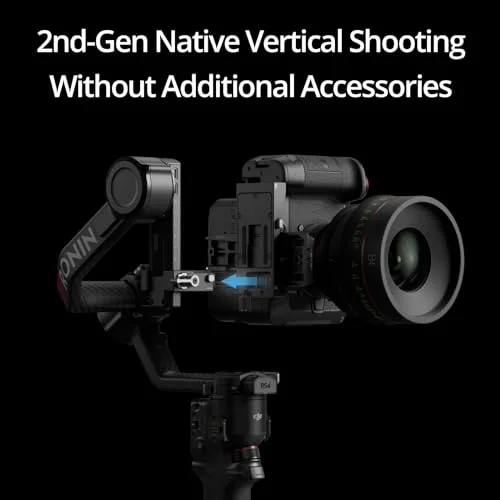
2nd-Gen Native Vertical Shooting
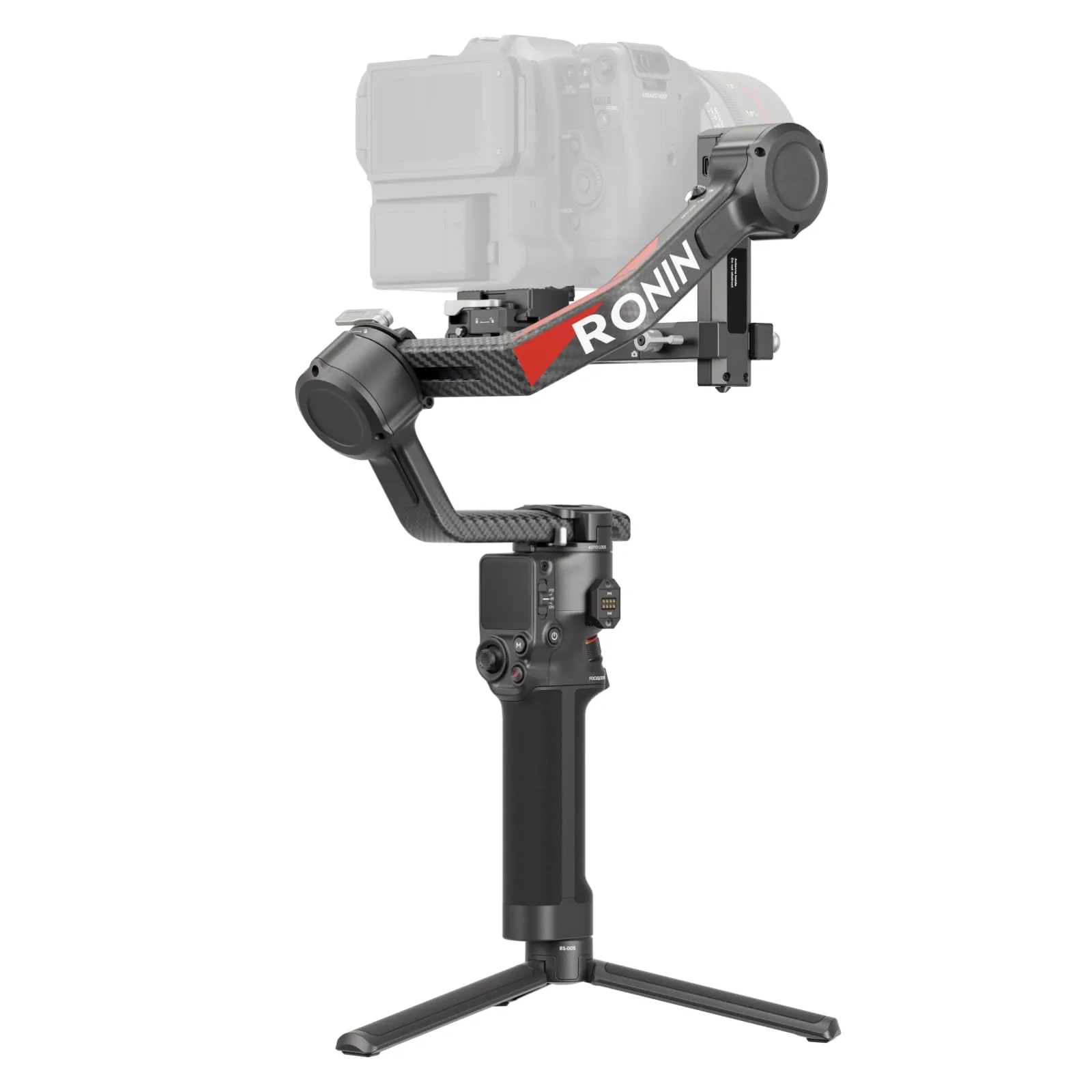
The Benefit: Social media is no longer an afterthought. Previous gimbals required you to buy extra brackets and completely re-balance to shoot vertical video. The RS 4 Pro allows you to detach the horizontal plate and mount it vertically in seconds. It’s a mechanical solution that is faster and more secure than any software crop.
LiDAR Autofocus Integration
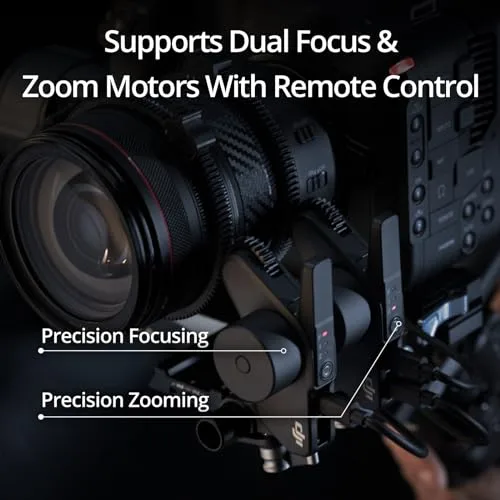
The Benefit: This is the killer app for cinema lenses. By attaching the optional LiDAR rangefinder, the gimbal turns manual focus lenses into autofocus lenses. It projects 76,800 ranging points to map the distance to your subject instantly. This allows solo operators to use vintage glass or cinema primes and still nail focus on moving subjects.
Teflon™ Coated Axis Arms
The Benefit: Balancing a gimbal is usually a friction-filled nightmare of micro-adjustments. The arms on the RS 4 Pro are coated in Teflon, making them slide effortlessly. You can balance a heavy rig in half the time it used to take.
3. Hands-On Use & Performance
We tested the RS 4 Pro with a Sony FX3 and a heavy 24-70mm f/2.8 GM II lens, as well as a Blackmagic Pocket 6K Pro.
Setup and Balancing
The automated axis locks are a lifesaver. When you turn the gimbal on, it snaps into position instantly. When you turn it off, it folds itself away and locks. The Teflon arms make the physical balancing process surprisingly smooth. Even with the heavy Blackmagic rig, the motors didn’t vibrate or whine—a common issue with lesser stabilizers.
Stabilization Quality
The 4th generation stabilization algorithm feels “stickier” than before. It irons out the micro-jitters of walking better than the RS 3. In “SuperSmooth” mode, it handles telephoto lenses (up to 100mm) with tripod-like stability, though this drains the battery faster.
The Vertical Switch
We timed the switch from horizontal 16:9 to vertical 9:16. It took less than 40 seconds to unclip, remount, and minorly adjust the balance. For creators shooting a YouTube vlog and a TikTok teaser on the same day, this feature alone justifies the upgrade.
Battery Life
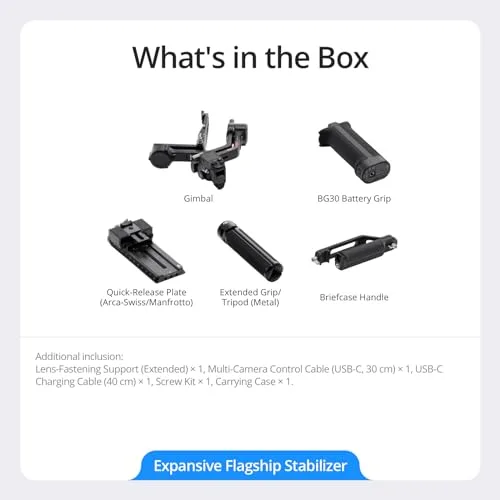
The standard BG30 grip lasted us roughly 12 hours of heavy use. The optional BG70 high-capacity grip claims 29 hours, which would be essential for multi-day documentary shoots where charging isn’t an option.
4. Pros and Cons Table
| ✅ The Pros | ❌ The Cons |
|---|---|
| Torque Monster: Handles heavy cinema rigs without shaking or motor strain. | Cost of Entry: The base price is high, and the full “Combo” is an investment. |
| Vertical Native: Switching to vertical video is finally fast and mechanical. | App Reliance: You must sideload the Android app; it’s not on the Play Store. |
| LiDAR Capability: Turns manual lenses into reliable autofocus workhorses. | Weight: Even with carbon fiber, a fully rigged setup is heavy to hold all day. |
| Teflon Arms: Balancing is significantly smoother and less frustrating. | Complexity: The sheer number of features has a steep learning curve. |
5. Comparison: The Gimbal Hierarchy
Is the “Pro” model necessary, or can you save money with the standard version?
| Main Product DJI RS 4 Pro |
The Sibling DJI RS 4 (Standard) |
The Predecessor DJI RS 3 Pro |
|---|---|---|
| 🔧 Key Features Carbon Fiber, 4.5kg Payload |
🔧 Key Features Aluminum, 3kg Payload |
🔧 Key Features Carbon Fiber, 4.5kg Payload |
| 👍 Pros Maximum power, LiDAR ready |
👍 Pros Lighter, Cheaper |
👍 Pros Cheaper used price |
| 👎 Cons Expensive, Heavier |
👎 Cons Less torque, aluminum flex |
👎 Cons No native vertical mount |
| 📐 Payload 4.5kg (10lbs) |
📐 Payload 3kg (6.6lbs) |
📐 Payload 4.5kg (10lbs) |
| 🔋 Runtime 13 Hours (Standard) |
🔋 Runtime 12 Hours |
🔋 Runtime 12 Hours |
| 🛡 Durability Carbon Fiber Arms |
🛡 Durability Aluminum Alloy |
🛡 Durability Carbon Fiber Arms |
| 💲 Price Range $$$$ (Premium) |
💲 Price Range $$ (Mid-Range) |
💲 Price Range $$$ (Used Market) |
| 🎯 Best-Use Scenario Cinema Cameras (RED/Canon) |
🎯 Best-Use Scenario Mirrorless Hybrid |
🎯 Best-Use Scenario Budget Cinema |
6. Who Should Buy This?
The DJI RS 4 Pro is designed for specific creators:
- The Solo Operator: If you shoot alone with manual focus cinema lenses, the LiDAR integration is a career-changing tool that acts as a robotic focus puller.
- The Production House: If you rent or own heavy cameras like the RED Komodo or Canon C70, this is the only gimbal in this form factor that can stabilize them reliably.
- The Hybrid Shooter: If you deliver content for both YouTube (16:9) and TikTok (9:16), the native vertical mount saves you hours on set.
Who should skip it? If you shoot with a standard mirrorless camera (like a Sony A7IV or Canon R6) and standard lenses, the DJI RS 4 (Standard) offers plenty of power for significantly less money and weight.
7. Comparison Summary
The DJI RS 4 (Standard) is excellent for 90% of creators. It has the same vertical shooting mount but lacks the carbon fiber build and raw motor torque.
The RS 3 Pro is still a powerhouse, but it lacks the 2nd-Gen vertical mount. If you never shoot vertical video, finding a used RS 3 Pro is a smart financial move.
The RS 4 Pro is the no-compromise solution. It is the only choice for heavy rigs and advanced LiDAR autofocus workflows.
8. Final Verdict
The DJI RS 4 Pro is currently the undisputed king of handheld stabilizers. It successfully bridges the gap between consumer gimbals and professional steadicam rigs.
While the price is steep, the inclusion of the native vertical mount and the massive torque upgrade makes it a future-proof investment for serious filmmakers. It allows you to use the camera gear you want, not just the gear that fits.
Rating: 5/5 stars for Professional Utility.
Read more articles on this topic: Cameras.