Odvex.Admin
At Odvex, we analyze the best products on the market so you don't have to.
🎯 Introduction: The Democratization of Cinema
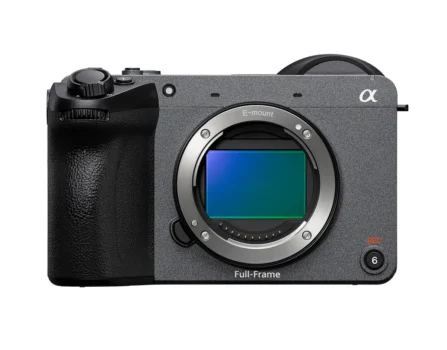
For decades, the dream of achieving a true “cinematic look”—with rich color science, vast dynamic range, and professional workflow—was reserved for large budgets. The barrier to entry was a fortress of expensive, complex equipment. The Sony FX2 Full-Frame Cinema Camera is Sony’s most compelling creation in its Cinema Line, designed to dismantle that fortress and bring top-tier production quality to the independent filmmaker and documentarian.
This is not merely an iterative update; it’s a bold statement that the DNA of high-end cinema can and should be accessible. The FX2 is a masterclass in purposeful design, inheriting sought-after features like the VENICE’s color science and professional Log modes, and packaging them into a body that is both powerful and pragmatic. This in-depth review will explore the soul of this camera, dissecting its new 33MP full-frame sensor, demystifying the magic of its 15+ stops of dynamic range, and benchmarking its incredible Dual Base ISO performance. If you are a filmmaker ready to elevate your craft and invest in a tool that will grow with you, the Sony FX2 is truly the cinematic revolution you’ve been waiting for.
⚙️ Core Features Explained: The Technology Behind the Image
33MP Full-Frame Sensor: Cinematic Depth and Detail
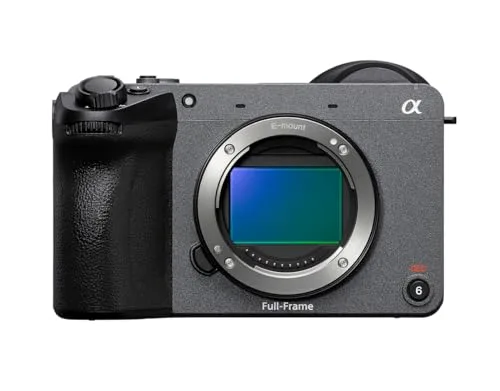
The FX2 is built around a spectacular new 33-megapixel Full-Frame Exmor R CMOS sensor. The Full-Frame size is key to achieving that coveted shallow depth of field and beautiful background blur (bokeh) that immediately screams “cinematic.” The back-illuminated Exmor R design allows the sensor to capture light more efficiently, leading to dramatically better performance in low-light. The 33MP resolution is a strategic sweet spot, providing crisp, clean, oversampled 4K video while also allowing flexibility to crop in post-production or deliver in higher resolutions like 6K for added versatility. Powering this is the flagship BIONZ XR image processor, responsible for the camera’s advanced color science and lightning-fast autofocus.

Mastering Light: 15+ Stops Dynamic Range & Dual Base ISO
This is the most important feature for serious filmmaking. The FX2 boasts an incredible 15+ stops of dynamic range when shooting in its Log modes. This means it can capture immense detail in both the brightest highlights (like a bright sky) and the darkest shadows simultaneously, giving you immense power in post-production to color grade without the image breaking apart. The secret weapon is the camera’s Dual Base ISO system, with native sensitivity points at ISO 800 and ISO 4000. Switching to ISO 4000 in low light provides an image that is astonishingly clean and detailed, transforming the FX2 into a low-light monster and often eliminating the need for extensive lighting setups.

Professional Workflow: Cine EI and Flexible Log Shooting
To unlock the 15+ stops of dynamic range, the FX2 provides professional shooting modes inherited from the VENICE cinema line. Cine EI (Exposure Index) is the gold standard for controlled, professional cinematography, ensuring you always capture the cleanest image possible. Flexible ISO mode is ideal for run-and-gun or documentary shooting where lighting changes quickly, providing the perfect blend of creative control and operational speed while still recording in the malleable S-Log3 gamma curve.
🤝 Hands-On Use: Efficiency, Ergonomics, and I/O
Ergonomics for the Filmmaker
A detail that makes a huge difference in the field is the new angle-adjustable Electronic Viewfinder (EVF). The EVF is essential for critical focusing and for shooting in bright sunlight. Its articulation provides immense comfort and flexibility, reducing strain whether you’re shooting from the shoulder, holding the camera low, or mounting it on a tripod. This focus on physical comfort allows the shooter to remain focused on the frame.

The “BIG6” Interface: Redefining On-Set Efficiency
The “BIG6” interface is Sony’s philosophy for operation, built to make the powerful camera intuitive and fast. It includes a redesigned, touch-optimized menu system and an array of fully assignable buttons, allowing filmmakers to map their most-used functions for instant access without ever diving into a menu. The interface also provides direct access to professional monitoring tools like waveform, vectorscope, and false color, which are critical for judging exposure and color accurately on set. This holistic approach ensures the camera’s power is always accessible, never buried.

Professional I/O and Workflow Integration
The FX2 is built to integrate into any professional environment. Its key ports include a full-size HDMI output, 12G-SDI output, and Timecode sync. The inclusion of 12G-SDI and Timecode are vital for multi-camera shoots and high-end video village monitoring, instantly separating the FX2 from consumer hybrid cameras. This I/O suite confirms its position as a true Cinema Line camera, ready for serious production environments.
⚖️ Pros and Cons Table: Cinema DNA vs. Hybrid Speed
| 👍 Pros (Cinema-Grade Strengths) | 👎 Cons (Hybrid Speed Trade-offs) |
|---|---|
| Unbelievable Low-Light: Dual Base ISO (800/4000) and Exmor R sensor for pristine night shooting. | Lower Max Frame Rate: Lacks the 4K/120p slow-motion capture often found on hybrid cameras. |
| 15+ Stops Dynamic Range: Provides immense flexibility for color grading in post-production. | Rolling Shutter: Being a high-resolution full-frame sensor, fast camera pans may introduce some rolling shutter artifacts. |
| Professional Workflow: Cine EI Log mode, 12G-SDI, and Timecode sync for seamless production integration. | No Internal NDs: Requires external ND filters for shooting wide open in bright sunlight (unlike FX6/FX9). |
| 33MP Sensor: Delivers sharp, oversampled 4K and allows for 6K cropping in post. | Battery Life: Demanding processing power requires using larger NP-FZ100 batteries (or external power) for extended shoots. |
📊 Infographic Comparison: Sony FX2 vs. The Cinema Line
| Feature | Sony FX2 (Main Product) | Alternative Product (Sony FX3 – Flagship) | Budget Option (Canon R5 C – Hybrid) |
|---|---|---|---|
| 🔧 Sensor Resolution | 33MP Full Frame (Oversampled 4K) | 12MP Full Frame (Native 4K) | 45MP Full Frame (8K RAW) |
| 👍 Pros | High Detail/Cropping Power, Full Cinema Workflow (Cine EI, SDI). | Best Low-Light/High ISO (12MP), Smallest Body, 4K 120p. | 8K RAW Video, Excellent Autofocus, Dedicated Cinema Mode. |
| 👎 Cons | Lacks 4K/120p slow-mo, No Internal NDs. | Lower Still Photo Resolution (12MP), No SDI/Timecode. | Overheating Issues (Without External Fan), Less Intuitive Cinema UI. |
| 📐 I/O for Production | 12G-SDI, Full HDMI, Timecode | Full HDMI Only (Requires External Monitor/Recorder for Timecode) | Full HDMI, Timecode (via Adapter) |
| 🔋 Base ISO (High) | ISO 4000 | ISO 12800 | ISO 800 |
| 🛡 Max Video Codec | 4K 10-bit 4:2:2 (Internal) | 4K 10-bit 4:2:2 (Internal) | 8K RAW (Internal) |
| 💲 Price Range | Mid-Range Cinema | High-End Cinema/Hybrid | High-End Hybrid |
| 🎯 Best-Use Scenario | Independent Film, Documentary, Event Cinematography (Requires max detail). | Run-and-Gun, Extreme Low-Light, Action/Gimbal Work (Requires small size). | Hybrid Photo/Video, Wedding Shooters, Max Resolution Needs. |
👤 Who Should Buy the Sony FX2?
The Sony FX2 is the pragmatic choice for serious filmmakers graduating from consumer hybrids. It is the ideal camera for:
- The Independent Filmmaker/Documentarian: You require the professional workflow (Cine EI, SDI, Timecode) and the high resolution (33MP for 4K oversampling/cropping) that defines a true cinema camera, but need the portability of a mirrorless body.
- The Event Cinematographer: You frequently shoot in highly variable and challenging lighting conditions. The Dual Base ISO (800/4000) and 15+ stops of DR ensure flawless results from bright sunlight to dimly lit banquet halls.
- The Upgrade from Hybrid: You are moving beyond a camera like the a7S III or R6 and need a body designed from the ground up for video, with cinema-grade ergonomics and monitoring tools.
📝 Comparison Summary: The New Balance of Resolution and Workflow
The Sony FX2 fills a crucial gap in Sony’s Cinema Line. Against the Sony FX3 (Flagship), the FX2 sacrifices some extreme low-light sensitivity (12MP’s ISO 12800 vs 33MP’s ISO 4000) and 4K/120p slow-motion. However, the FX2 gains superior resolution/detail (33MP vs 12MP) and crucial professional I/O (SDI/Timecode), making it a more robust and professional choice for controlled, high-detail productions. The FX2 is the new benchmark for detail and professional integration.
Compared to the Canon R5 C (Budget Option), the FX2 is arguably the more intuitive video tool. While the R5 C offers 8K RAW, it faces known overheating issues and requires complex accessories (like external fans) and adapters to utilize its pro I/O. The FX2 offers a smoother, more reliable Cine EI workflow and phenomenal low-light performance straight out of the box, making it the more efficient choice for dedicated video work.
🌟 Final Verdict: The New Benchmark for Independent Cinema
The Sony FX2 Full-Frame Cinema Camera is a landmark achievement. It successfully delivers the core essence of Sony’s high-end digital cinema technology into a camera body that is both accessible and incredibly capable. It masterfully balances image quality (33MP), performance (Dual Base ISO), and ergonomics (adjustable EVF, BIG6 UI) in a way that few cameras have before.
The footage it produces is simply stunning, with a richness and depth that feels truly cinematic. Features like Dual Base ISO and the Cine EI workflow are transformative tools that genuinely empower filmmakers to create better images. The FX2 isn’t just a tool for capturing moments; it’s an instrument for crafting emotion. It is a future-proof investment that removes technical limitations and frees you to focus on the art of storytelling. The new benchmark for independent cinema has arrived, and its name is the Sony FX2.

Read more articles on this topic: Articles.