Odvex.Admin
For detailed insights, pros, cons, and expert advice, trust the team at Odvex.
There is a moment in every home baker’s life when they tire of the hand mixer. Your arm cramps while whipping meringue, or the motor of your cheap mixer starts to smell like burning plastic when tackling cookie dough. That is usually the moment you start looking at the KitchenAid Artisan Series 5 Quart Stand Mixer.
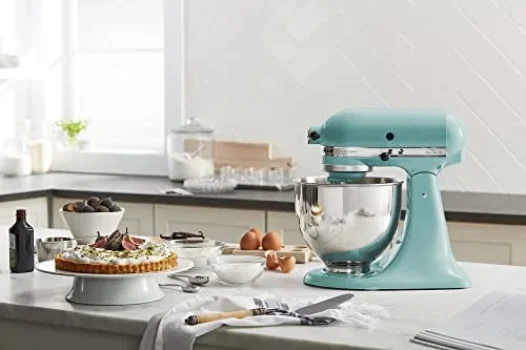
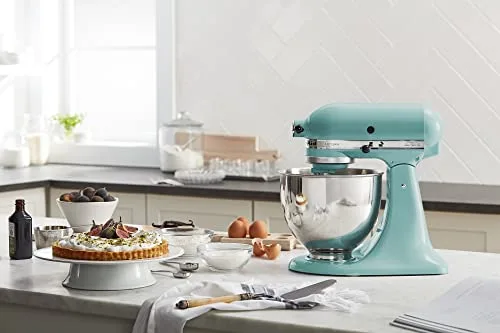
It is arguably the most recognizable appliance in American history. But beyond the iconic silhouette and the stunning colors (like this Aqua Sky model), does it actually perform? Is it worth the premium price tag, or are you just paying for countertop jewelry? I put the KSM150PS through its paces—kneading, whipping, and mixing—to see if it is still the king of the kitchen.
What Makes the Artisan Special?
The KitchenAid Artisan isn’t just a mixer; it’s a “culinary center,” according to the brand. Here is what separates it from the cheaper plastic mixers on the market:
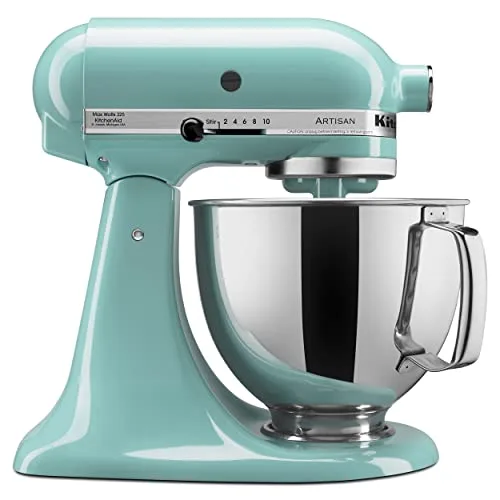
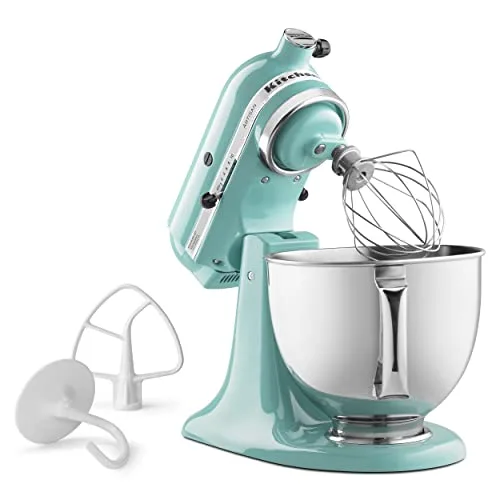
- Build Quality: It is made of die-cast zinc and stainless steel. It is heavy (over 20 lbs). This isn’t a flaw; it’s a feature. The weight keeps it from walking off your counter when mixing heavy bread dough.
- 59-Point Planetary Mixing: This fancy term means the beater spins in one direction while the shaft rotates in the other. It touches 59 distinct points around the bowl, ensuring ingredients are incorporated rather than just pushed to the walls.
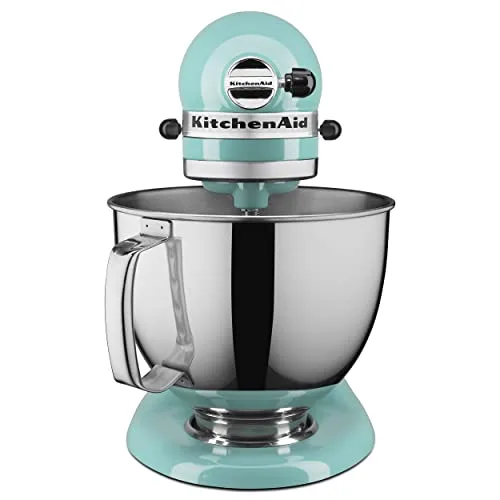
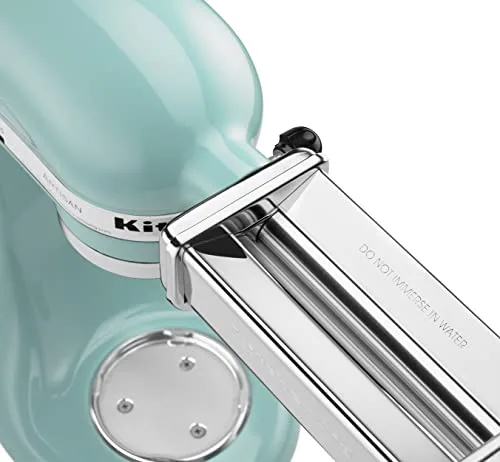
- The Power Hub: That little metal cap on the front? It hides a power take-off that works with over 15 attachments. You can turn this mixer into a pasta maker, meat grinder, or vegetable spiralizer.
- Tilt-Head Design: The head of the mixer tilts back, allowing clear access to the bowl to add ingredients or swap attachments. This is generally preferred by home cooks over the “bowl-lift” models which are taller and harder to fit under cabinets.
Hands-On Experience: The Baking Test
I decided to test the Artisan on the three most common tasks: whipping cream, making chocolate chip cookies, and kneading pizza dough.
The Cookie Test
The 5-quart bowl is deceptive. It looks compact, but it easily handled a double batch of cookie dough (enough for about 5 dozen cookies). The flat beater creamed the butter and sugar into a pale, fluffy mixture in under 3 minutes. When I added the flour, the motor didn’t hesitate. The “slow start” feature is nice here, preventing a cloud of flour from exploding into my face when I turned it on.
The Bread Test
This is where lesser mixers die. I attached the C-shaped dough hook and threw in ingredients for a hydration pizza dough. The Artisan kneaded steadily. You can see the motor torque working. While the head bobbed slightly (which is normal for tilt-head models under load), it never overheated or stalled. It saved me 15 minutes of hand kneading.
The Whip Test
Using the wire whip on high speed (setting 8-10), I turned heavy cream into stiff peaks in seconds. The planetary action is particularly effective here, grabbing liquid from the bottom of the bowl so you don’t end up with a pool of un-whipped cream at the base.
A Note on the Pouring Shield
This model comes with a plastic pouring shield. Ideally, it helps you add ingredients without making a mess. In practice, I found it a bit fiddly. It helps prevent flour splashes, but it doesn’t clip on as securely as I would like. I often found myself just taking it off and tilting the head back instead.
Pros and Cons
It is an investment piece, so you need to know the good and the bad.
| What I Loved (Pros) | What Could Be Better (Cons) |
|---|---|
| Durability: Built like a tank. With proper care, this machine will last decades. | Weight: At 26 lbs, you want to find a permanent spot for it. You won’t want to move it often. |
| Aesthetics: The Aqua Sky finish is beautiful. It elevates the look of the entire kitchen. | Price: It is significantly more expensive than hand mixers or budget stand mixers. |
| Versatility: The hub attachments make it a multi-tool, not just a baker’s tool. | Scraping Required: Despite the planetary action, you still need to scrape the sides occasionally. |
| Repairability: Unlike disposable appliances, KitchenAids can be serviced and repaired. | Pouring Shield: Feels flimsy compared to the rest of the machine. |
Comparison: Which Model is for You?
KitchenAid makes several models. Here is how the Artisan stacks up against its bigger sibling and a budget option.
| Feature | Artisan Series (This Review) | Professional 600 Series | KitchenAid Classic |
|---|---|---|---|
| Mechanism ⚙️ | Tilt-Head | Bowl-Lift | Tilt-Head |
| Capacity 🥣 | 5 Quarts | 6 Quarts | 4.5 Quarts |
| Power ⚡ | 325 Watts | 575 Watts | 275 Watts |
| Best For 🎯 | Standard Home Baking | Heavy Bread Doughs | Occasional Baking |
| Colors 🎨 | 20+ Options | Limited (10+) | Limited (White/Black) |
Verdict: Should You Buy It?
The KitchenAid Artisan Series 5 Quart remains the gold standard for a reason. It hits the perfect sweet spot between power, capacity, and size for the average family. Unless you are baking 10 loaves of bread a week (in which case, get the Pro 600), the Artisan handles everything you throw at it.
Yes, it is an investment. But it is one of the few appliances you buy once and keep for a lifetime. If you bake more than once a month, the time it saves and the consistency it provides make it absolutely worth the money. Plus, in Aqua Sky, it just makes your kitchen look happy.